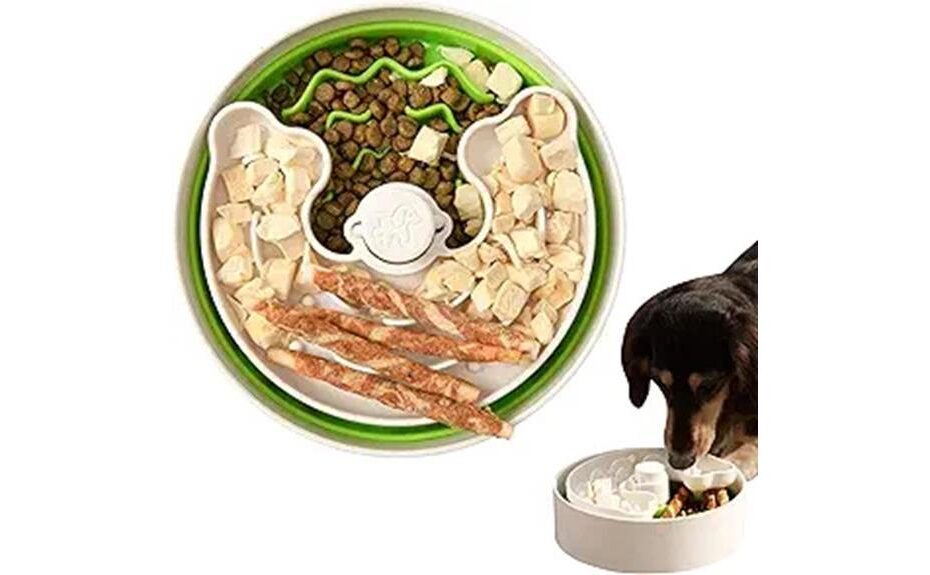
Slow feeder dog bowls are indispensable for ensuring your pet's healthy eating habits. By slowing down meals, these bowls help prevent digestive issues such as bloating and obesity while encouraging mental stimulation. Many models offer customizable feeding speed settings, making them adaptable to individual dog needs. Constructed from non-toxic materials, they are easy to clean and suitable for various diets. Customer feedback highlights improved mealtime experiences and reduced anxiety in dogs. Whether you're managing multiple pets or an eager eater, investing in a slow feeder bowl can enhance your dog's eating routine. Further insights await those curious about specific options.
Feeding Habits Matter

Understanding your dog's feeding habits is crucial for their overall health and well-being. Recognizing how your pet approaches mealtime can reveal important insights into their behavior and nutritional needs.
Many dogs exhibit rapid eating patterns, which can lead to digestive issues such as bloating, discomfort, and even obesity. By observing their tendencies, caregivers can make informed decisions regarding their feeding routines.
Implementing a slow feeder can transform the eating experience, encouraging dogs to savor their meals and engage with their food. This practice not only aids in digestion but also promotes mental stimulation, reducing anxiety and boredom.
Ultimately, adapting to your dog's unique feeding habits fosters a healthier lifestyle and strengthens the bond between pet and owner.
Adjustable Feeding Speed Settings
Recognizing the varying eating habits of dogs naturally leads to the importance of adjustable feeding speed settings in slow feeder dog bowls.
These bowls feature four customizable modes, ranging from 1x to 15x, allowing pet owners to tailor feeding experiences according to their dog's unique needs.
This adaptability not only promotes slower eating, which can alleviate digestive issues and prevent choking but also transforms mealtime into an engaging activity.
By encouraging dogs to search for their food, these bowls foster mental stimulation and a more enjoyable dining experience.
The ability to adjust feeding speed ensures that every dog, regardless of their eating style, receives a personalized approach to mealtime, ultimately enhancing their overall well-being and happiness.
Personal Experience

Having recently introduced a slow feeder dog bowl into our mealtime routine, the positive impact on our dog's eating habits was immediately apparent.
The adjustable settings allowed us to customize the feeding experience, encouraging our dog to savor each bite rather than gulping down meals. This not only enhanced our dog's enjoyment of food but also fostered a sense of calm during mealtime.
Observing our pet engage more thoughtfully with the bowl was gratifying, as it contributed to a healthier eating pace and reduced anxiety related to food.
The ease of cleaning further complements the overall experience, making it a practical addition to our home.
This small change significantly improved our dog's wellbeing, reinforcing the value of mindful feeding practices.
Usage Scenarios
Slow feeder dog bowls can be effectively utilized in various scenarios to enhance mealtime experiences for dogs. For pet owners concerned about rapid eating habits, these bowls serve as a practical solution, promoting slower consumption and reducing the risk of digestive issues.
In multi-pet households, a slow feeder can help manage competition for food, ensuring each dog receives their share thoughtfully. Additionally, during training sessions, employing a slow feeder can transform mealtime into an interactive experience, engaging dogs both mentally and physically.
For dogs prone to anxiety or boredom, these bowls can provide a calming routine, fostering a sense of security. Ultimately, slow feeder dog bowls enhance the overall dining experience, prioritizing the well-being of our beloved companions.
Ingredients and Benefits
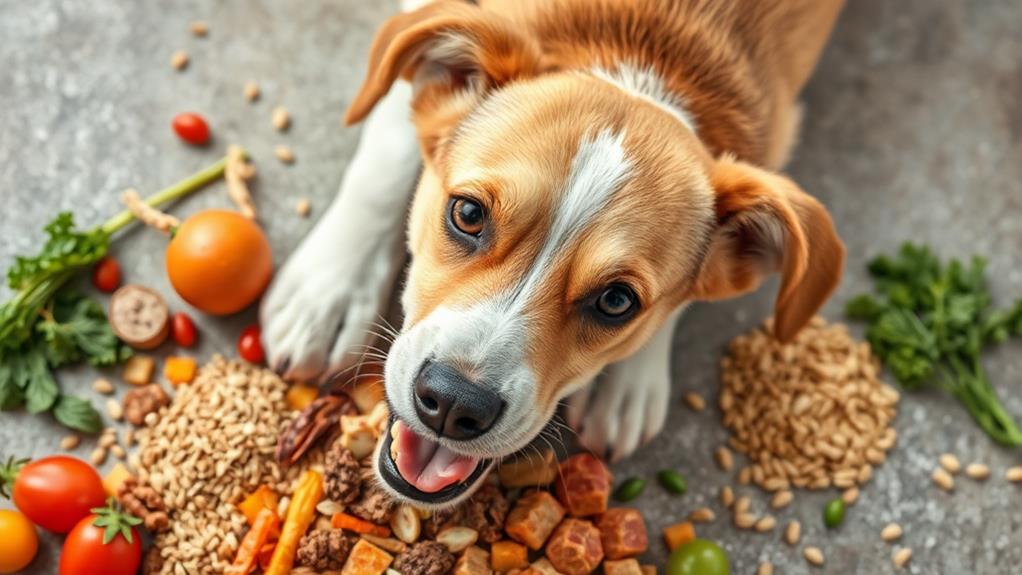
In examining the ingredients used in slow feeder dog bowls, it is essential to consider their safety and suitability for various dietary needs.
Key ingredients often include non-toxic materials that ensure durability while promoting hygiene.
Understanding these components highlights the benefits they provide to both dogs and their owners in fostering healthier eating habits.
Key Ingredient #1
One of the essential components of a slow feeder dog bowl is the material used in its construction. High-quality, non-toxic materials ensure not only the safety of your beloved pet but also enhance the durability of the bowl.
Materials such as stainless steel or BPA-free plastics are preferred for their resistance to wear and ease of cleaning. These washable options promote hygiene, reducing the risk of bacterial growth and ensuring a healthy feeding environment.
Furthermore, a well-constructed bowl should be dishwasher safe, making it convenient for pet owners to maintain cleanliness without added effort.
Investing in a bowl made from safe materials signifies a commitment to your dog's health and well-being, ultimately allowing for a more enjoyable mealtime experience.
Key Ingredient #2
The effectiveness of a slow feeder dog bowl extends beyond its construction materials to its design and features. These bowls are thoughtfully engineered to promote healthier eating habits by encouraging dogs to engage in a more deliberate feeding process.
The adjustable modes allow pet owners to customize the feeding experience, catering to each dog's unique pace and preferences. Additionally, the materials used are safe and easy to clean, further supporting a hygienic feeding environment.
This adaptability ensures compatibility with various diets, whether dry, wet, or raw, offering flexibility for discerning pet owners. By fostering a calming mealtime atmosphere, slow feeder bowls not only enhance nutrition but also alleviate anxiety and boredom in dogs, ultimately enriching their overall well-being.
Key Ingredient #3
Slow feeder dog bowls offer a variety of ingredients designed to enhance the feeding experience for dogs while promoting their health. One key ingredient is the customizable design, which includes adjustable modes that cater to different eating speeds. This feature encourages dogs to engage in a more mindful eating process, significantly reducing the risk of choking and digestive issues commonly associated with rapid consumption.
Additionally, the safe, washable materials ensure that hygiene is prioritized, making it easier for caregivers to maintain a clean feeding environment.
The versatility of these bowls accommodates various diets, from dry kibble to raw food, allowing pet owners to provide a tailored feeding experience that nourishes and delights their dogs while fostering a healthy, balanced lifestyle.
Usage Instructions
When utilizing a slow feeder dog bowl, it is essential to first select the appropriate adjustable mode that best suits your dog's eating habits. The four modes range from 1x to 15x, allowing you to tailor the feeding experience based on your pet's specific needs.
Begin by assembling the bowl, ensuring all detachable parts are securely attached for optimal performance. It is advisable to fill the bowl with the preferred type of food, whether dry, wet, or raw, providing variety and enjoyment for your dog.
Monitor your pet during mealtime to gauge their comfort and adjust the feeding mode if necessary. Regular cleaning is key—simply place the bowl in the dishwasher for easy maintenance and hygiene.
Effectiveness
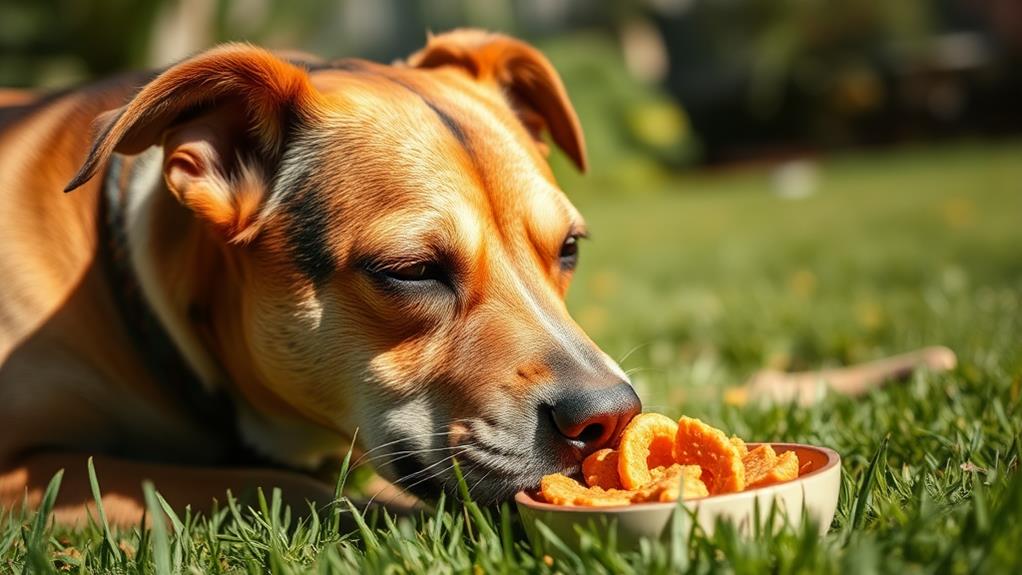
With an innovative design that promotes mindful eating, slow feeder dog bowls have proven effective in addressing common issues associated with fast eating.
These bowls encourage dogs to engage in a more thoughtful mealtime experience, thereby reducing the risk of digestive problems such as bloat and discomfort. By fostering a slower pace, they not only improve digestion but also diminish anxiety and boredom, which can lead to destructive behaviors.
The customizable feeding modes cater to individual dogs' needs, allowing pet owners to adjust the feeding experience as required.
Ultimately, slow feeder bowls enhance the overall well-being of dogs, promoting healthier eating habits while offering a stimulating environment that supports mental engagement during meals.
Customer Reviews and Feedback
Customer reviews and feedback provide valuable insights into the effectiveness of slow feeder dog bowls.
Overall ratings reflect a mixture of positive experiences, highlighting improvements in dogs' eating habits and engagement during mealtime.
However, some negative reviews indicate potential issues, such as durability concerns and difficulties with certain dog breeds, which warrant further examination.
Overall Customer Rating
Frequently, customers express high satisfaction with Slow Feeder Dog Bowls, noting their effectiveness in promoting healthier eating habits among dogs. Many reviews highlight the bowls' ability to slow down fast eaters, significantly reducing the risk of digestive issues.
Customers appreciate the adjustable modes, which allow for tailored feeding experiences, accommodating various dog sizes and eating styles. Additionally, the easy-to-clean materials receive commendations, as they support pet owners in maintaining hygiene effortlessly.
The adaptability of these bowls to different diets further enhances their appeal, allowing for versatility in meal preparation. Overall, the feedback reflects a strong endorsement of Slow Feeder Dog Bowls, as they not only satisfy canine dietary needs but also contribute to overall well-being.
Postive Reviews
Highlighting the positive experiences of pet owners, many reviews commend Slow Feeder Dog Bowls for their transformative impact on mealtime routines.
Customers report that these bowls not only slow down their dogs' eating habits but also enhance their overall dining experience. The adjustable modes have been particularly praised for accommodating various feeding preferences, allowing for a tailored approach that suits individual needs.
Additionally, users appreciate the easy cleaning process, as the dishwasher-safe materials promote hygiene while maintaining a balanced diet.
Pet owners express satisfaction in observing their dogs engage more thoughtfully with their food, reducing anxiety and fostering a sense of calm during meals.
Negative Reviews
While many pet owners have enjoyed the benefits of Slow Feeder Dog Bowls, some customers have expressed concerns about certain aspects of the product.
Notably, several users reported issues with the bowl's stability, indicating that it may slide around during use, which can frustrate both pets and owners alike.
Additionally, some reviewers mentioned that the detachable parts can be cumbersome to clean, despite the bowl's dishwasher-safe feature.
A few customers also found that the adjustable feeding modes did not sufficiently slow down their particularly eager eaters.
These concerns highlight the importance of selecting a bowl that aligns with the individual needs of each dog, ensuring that the feeding experience remains positive and effective for both pets and their loving caregivers.
Pros and Cons

When evaluating slow feeder dog bowls, it is essential to consider both their advantages and disadvantages. Understanding these pros and cons can help pet owners make informed decisions that best suit their dogs' needs.
Below are key points to consider:
- Pros: Promotes healthier eating habits, reduces anxiety during mealtime, encourages mental engagement, adaptable design for various feeding styles, suitable for multiple diets.
- Cons: May require a learning curve for some dogs, can be more challenging to clean than traditional bowls, not all dogs may enjoy the slow feeding experience, potential for frustration in overly eager eaters, some models may be less durable than expected.
Pros
Slow feeder dog bowls offer several advantages for pet owners seeking to enhance their dog's mealtime experience.
These bowls are designed to slow down eating, promoting healthier digestion and preventing issues like bloating and choking. With adjustable modes, they can be tailored to suit individual feeding habits, ensuring a personalized experience for each dog.
The adaptable design not only caters to various diets—be it dry, wet, or raw—but also encourages mental stimulation as dogs engage in a food search.
Additionally, made from safe, washable materials, these bowls are easy to clean, promoting hygiene.
Cons
Despite the numerous benefits of slow feeder dog bowls, there are some drawbacks that potential buyers should consider.
One significant concern is the potential for frustration among dogs accustomed to eating rapidly, as the design may initially impede their natural eating instincts.
Additionally, some models can be complex to clean, particularly if food gets lodged in intricate sections.
The adjustable modes, while beneficial, may also lead to confusion for pet owners unsure of which setting best suits their dog's needs.
Furthermore, slow feeder bowls may not be suitable for dogs with specific health issues, such as certain dental problems or gastrointestinal conditions.
Thus, careful evaluation of individual dog requirements is crucial before making a purchase.
Overall Satisfaction and Value
Overall, the satisfaction and value of slow feeder dog bowls are evident in their ability to transform mealtime into a more enriching experience for dogs. These bowls promote mindful eating, which not only enhances dogs' enjoyment but also supports their overall health by minimizing the risks associated with rapid consumption.
The adaptability of these bowls, featuring multiple modes and customizable designs, ensures that pet owners can cater to the unique needs of their dogs. Moreover, the use of safe materials and the ease of cleaning underscore a commitment to hygiene and well-being.
Ultimately, investing in a slow feeder bowl is a testament to a pet owner's dedication to providing a fulfilling and nourishing experience, fostering a deeper bond between them and their canine companions.
Ready To Give It a Try?

Considering the myriad benefits that slow feeder dog bowls offer, it's an opportune moment for pet owners to explore this innovative feeding solution.
Integrating a slow feeder into your dog's routine not only promotes healthier eating habits but also enhances their mealtime experience. By slowing down their consumption, these bowls help prevent digestive issues and encourage mental engagement, fostering a more satisfying meal.
Moreover, the adaptability of these bowls allows customization to suit your dog's unique feeding style, ensuring a personalized approach to nutrition. The ease of cleaning and compatibility with various diets further solidifies their practicality.
Conclusion
In the quest for optimal canine health, slow feeder dog bowls emerge as indispensable allies, transforming mealtime into a mindful ritual. As the bowl's intricate design slows the pace of consumption, a gentle calm envelops the dining experience, inviting anticipation with each nibble. The benefits extend beyond mere nourishment, fostering a deeper bond between pet and owner. With each thoughtful bite, the promise of improved well-being lingers, leaving one to wonder: is the next meal an opportunity for discovery?
